Mardi Himal Trek
Trip Facts
Overview
Mardi Himal Trek: A Hidden Gem in the Annapurna Region
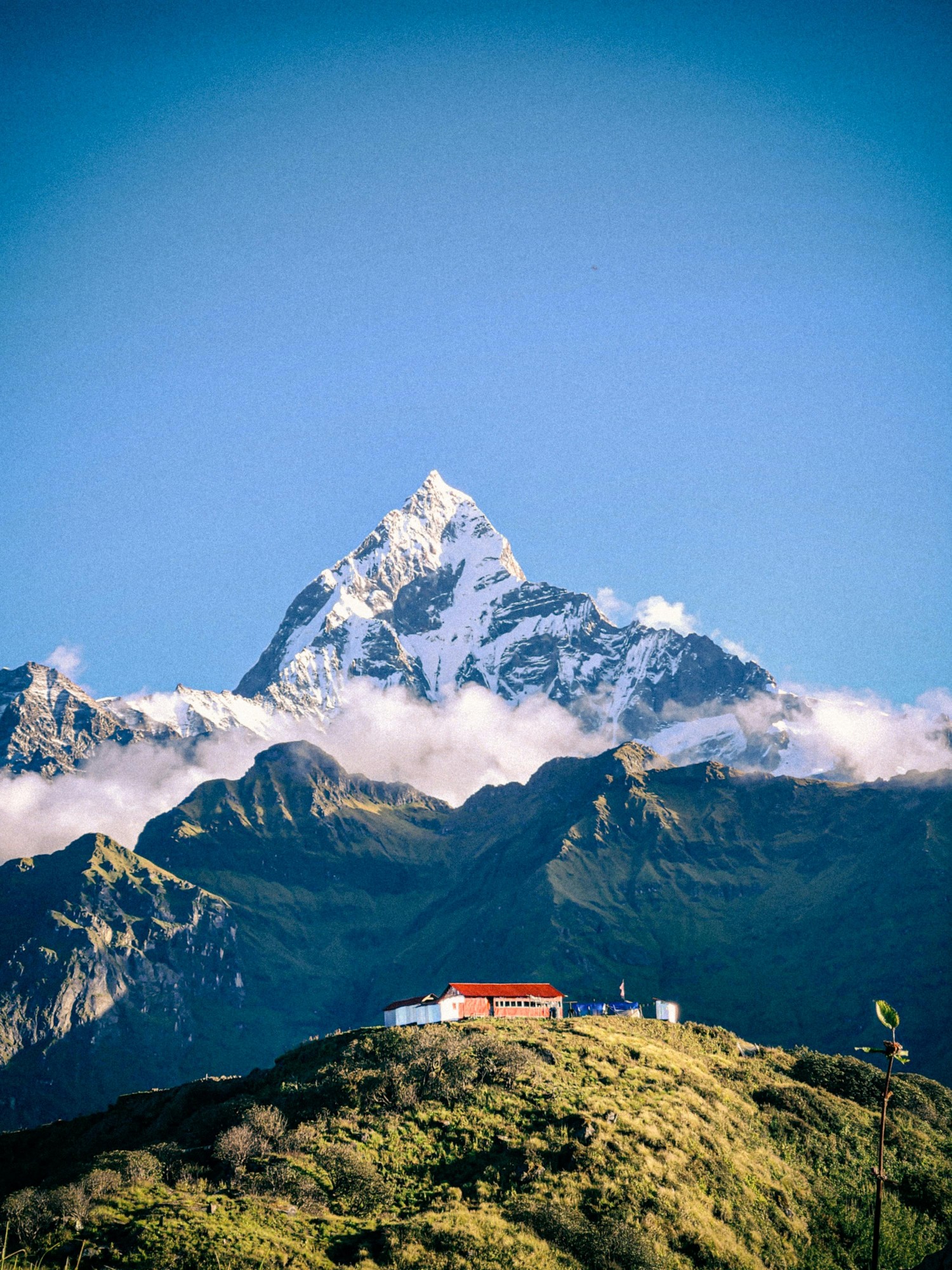
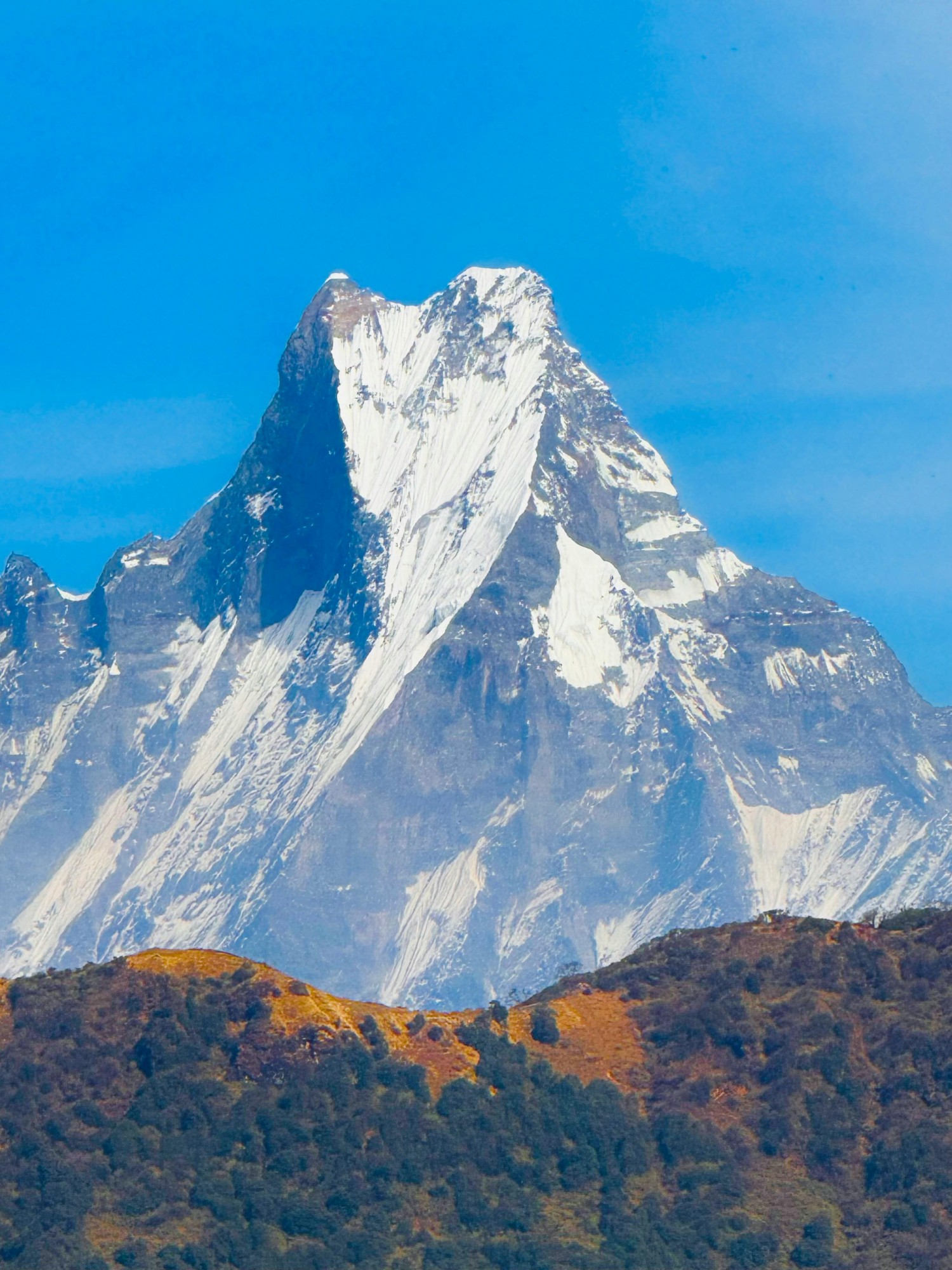
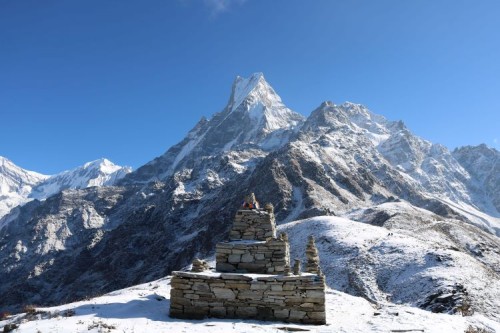
The Mardi Himal Trek is one of Nepal's most stunning "off-the-beaten-path" adventures. It offers a rare opportunity to get up close to the iconic Machhapuchhre (Fishtail) and the Annapurna massif in a short amount of time. This trek is famous for its ridge-walking trails, lush rhododendron forests, and the dramatic transition from green hills to high-altitude landscapes.
The Mardi Himal Trek – is an unforgettable trekking adventure in Nepal’s Annapurna region, offering spectacular Himalayan views, lush rhododendron and oak forests, and peaceful cultural villages. This slightly longer trek is perfect for travelers seeking a more immersive experience, combining moderate trekking challenges with natural beauty, cultural encounters, and high-altitude adventure.
The trek begins with a scenic drive from Pokhara to Kande or Phedi, followed by a gradual ascent through terraced farmlands, dense forests, and traditional Gurung and Magar villages. Over 8 days, trekkers move at a relaxed pace, allowing ample time to enjoy the tranquility of the trail, interact with local communities, and explore diverse landscapes ranging from river valleys to alpine meadows.
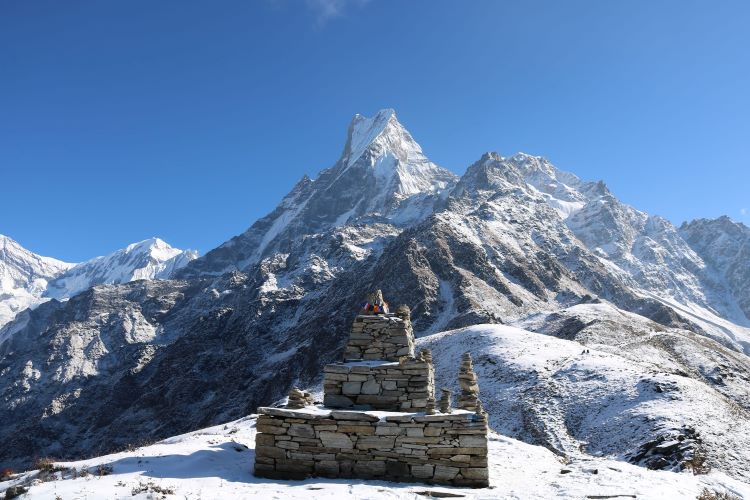
A major highlight of the trek is the Mardi Himal Base Camp at 4,500 meters, where trekkers are treated to close-up views of Annapurna South, Machapuchhre (Fishtail), and Hiunchuli peaks. The longer itinerary also allows visits to the Low Camp and Forest Camp viewpoints, giving a gradual, scenic approach to higher altitudes while enhancing acclimatization. The trek passes through blooming rhododendron forests in spring, oak and bamboo groves, terraced fields, and small, serene villages, offering a rich variety of landscapes.
Accommodation along the trail is in tea houses and lodges, providing comfortable rooms and home-cooked Nepali meals. Experienced trekking guides and optional porters support safety, carry luggage, and share insights about the region’s flora, fauna, and culture. Daily trekking ranges from 4–6 hours, leaving plenty of time for rest, photography, and enjoying the serene surroundings.
Over 08 days, trekkers benefit from less crowded trails, creating a peaceful environment for wildlife spotting, cultural encounters, and uninterrupted Himalayan vistas. The extended itinerary also allows for more relaxed acclimatization and deeper exploration of the Annapurna foothills. The trek concludes with a return to Pokhara, leaving travelers with lasting memories of majestic mountain panoramas, traditional village life, and an intimate Himalayan adventure.
Trek Highlights
- Close-up Mountain Views: Stand face-to-face with Mt. Machhapuchhre, Annapurna South, and Hiunchuli.
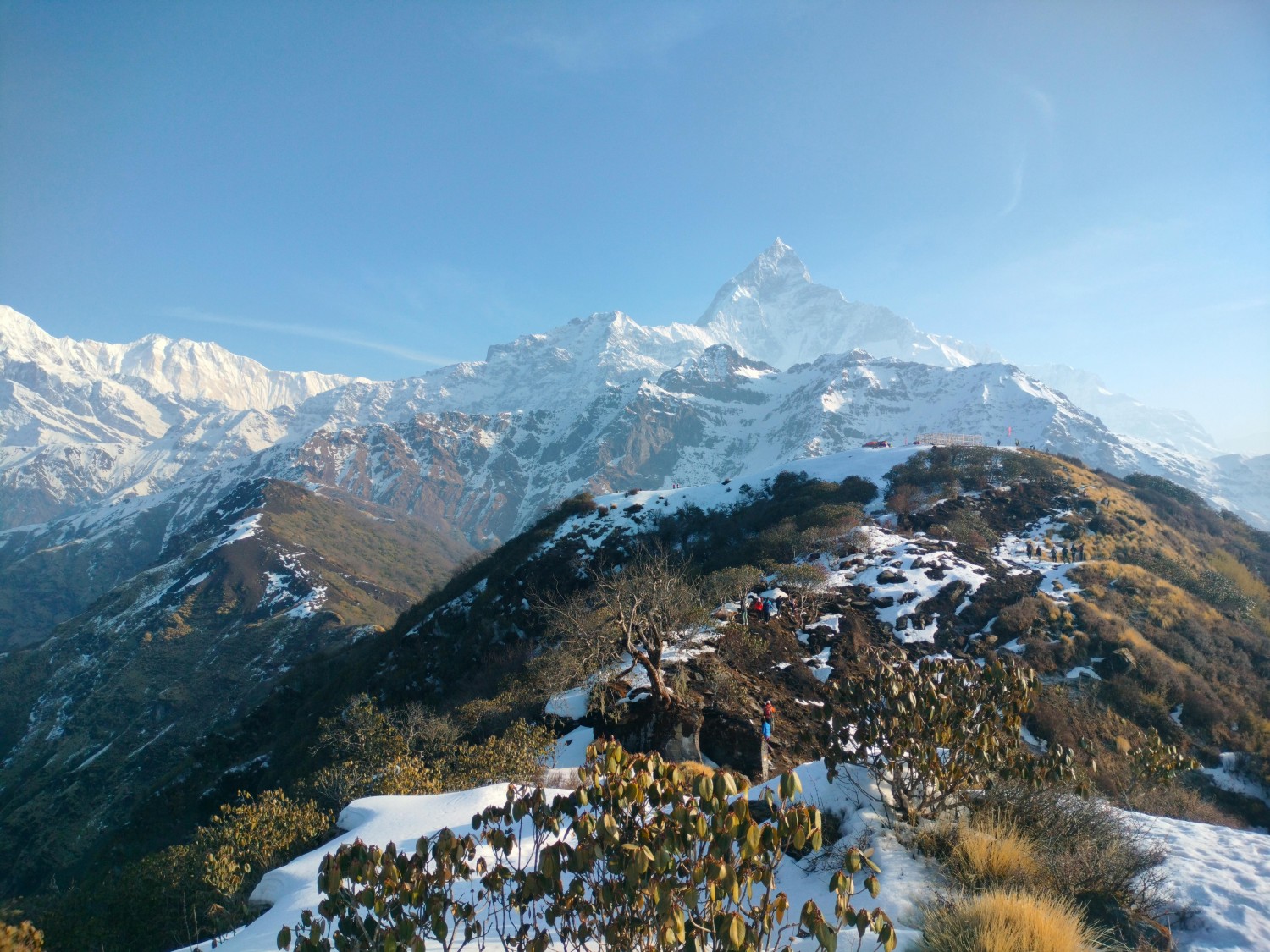
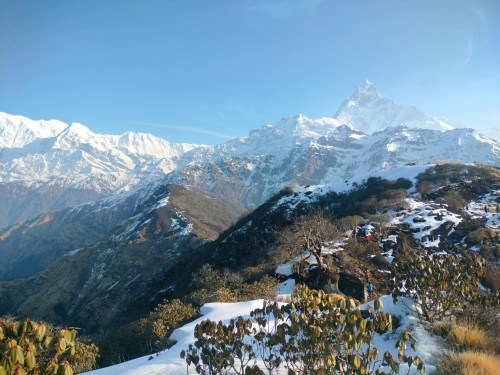
- Ridge Walking: Experience unique trails that stay on the ridge, providing 360-degree views.
- Cultural Experience: Visit traditional villages like Sidhing and experience local hospitality.
- High Altitude Peak: Reach the Mardi Himal Base Camp/Upper Viewpoint at 4,500m.
Itinerary
Welcome: Arrive at Tribhuvan International Airport. Our representative will pick you up and transfer you to your hotel.
Prep: Evening briefing about the trek and a chance to explore the vibrant streets of Thamel.
- Altitude: 1400
- Accommodation: Hotel
- Meals: B/L/D
Travel: A scenic 6-hour drive or a quick 25-minute flight over the Himalayas.
Relax: Spend the evening by Phewa Lake, enjoying the reflection of the mountains you'll soon be climbing.
- Altitude: 820
- Accommodation: Hotel
- Meals: B/L/D
Start: A short drive to Kande, the starting point of the trek.
The Hike: A steady climb through forests to Australian Camp (great views!), continuing to the peaceful settlement of Deurali.
- Altitude: 1700
- Accommodation: Lodge
- Meals: B/L/D
The Trail: Enter the enchanting moss-covered forests. This section is quiet and atmospheric, with occasional glimpses of the mountains through the trees.
Flora: If trekking in spring, the trail is ablaze with blooming rhododendrons.
- Altitude: 2100
- Accommodation: Lodge
- Meals: B/L/D
The Climb: As you ascend, the forest thins out, and you move onto the open ridge.
Scenery: The view of Machhapuchhre and Annapurna South becomes incredibly dominant. High Camp offers one of the most spectacular sunset spots in Nepal.
- Altitude: 2600
- Accommodation: Lodge
- Meals: B/L/D
The Summit: A pre-dawn hike to the Upper Viewpoint/Base Camp. Witness the sunrise hitting the face of the giants—an unforgettable experience.
Descent: After soaking in the views, trek back down to High Camp for breakfast and continue your descent to the warmer climate of Low Camp.
- Altitude: 4500
- Accommodation: Lodge
- Meals: B/L/D
Downhill: Leave the ridge and descend through dense forests toward the traditional village of Sidhing.
Return: A private vehicle will pick you up from Sidhing for a bumpy but scenic drive back to your hotel in Pokhara for a celebratory meal.
- Altitude: 2200
- Accommodation: Lodge
- Meals: B/L/D
Final Morning: Enjoy a final breakfast in Pokhara. Depending on your schedule, fly or drive back to Kathmandu for your international departure.
- Altitude: 2200
- Accommodation: Lodge
- Meals: B/L/D
Our Cost's
Cost Includes
- Professional trekking guide and support staff to ensure safety and smooth trekking.
- Accommodation in tea houses and lodges along the trail.
- Daily breakfast, lunch, and dinner during the trek.
- All necessary trekking permits, including Annapurna Conservation Area Permit (ACAP) and TIMS card.
- Airport transfers in Kathmandu (arrival and departure).
- Transportation to and from the trailhead.
- Optional porters to carry luggage for a more comfortable trekking experience.
- Emergency support and first aid kit available throughout the trek.
- Pre-trek briefing in Kathmandu covering the route, safety, and cultural insights.
Cost Excludes
- International airfare to and from Nepal.
- Nepal visa fees for entry.
- Travel insurance (mandatory for trekking, including high-altitude medical evacuation).
- Personal expenses such as snacks, drinks, souvenirs, and hot showers.
- Trekking gear and equipment like sleeping bags, jackets, trekking boots, and walking sticks.
- Tips for guides and porters.
- Optional activities or side trips not mentioned in the itinerary.
FAQ's
The trek is considered moderate. While it doesn't require technical climbing, the trail involves steep ascents and descents, particularly the climb from High Camp to the Upper Viewpoint. It is suitable for beginners with a basic level of fitness.
The highest point is the Mardi Himal Upper Viewpoint, situated at 4,500 meters (14,763 feet). Most trekkers stay overnight at High Camp, which is at 3,580 meters.
A standard itinerary from Pokhara takes 5 to 6 days. Including travel from Kathmandu, the total trip usually lasts 8 to 10 days.
The best windows are Autumn (September to November) for crystal clear mountain views and Spring (March to May) for blooming rhododendron forests and mild temperatures.
Yes, as you are crossing the 4,000m mark. However, the gradual ascent from Deurali to High Camp helps with acclimatization. It is crucial to stay hydrated and descend if you show symptoms of AMS (Acute Mountain Sickness).
Yes, you need two permits: the ACAP (Annapurna Conservation Area Permit) and the TIMS (Trekkers' Information Management System) card.
Yes, the route is well-supported by teahouses and lodges. While more basic than the popular Everest or Annapurna Circuit trails, they provide warm meals and comfortable rooms (usually twin-sharing).
Per current Nepal government regulations, trekking with a licensed guide is mandatory in most regions, including the Annapurna area. A guide also ensures your safety on the narrow ridge sections.
You can buy bottled water at teahouses, but for environmental reasons, we recommend using boiled water or water purification tablets with a reusable bottle.
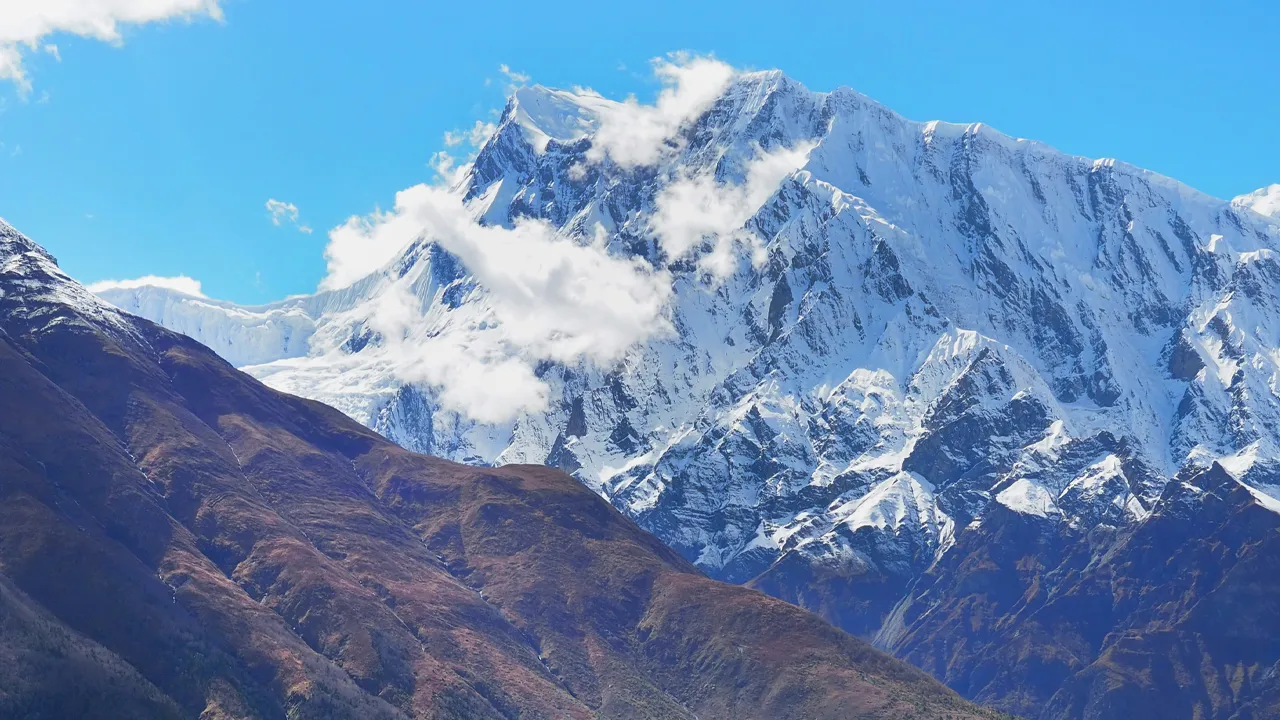
You will get an incredibly close view of Mt. Machhapuchhre (Fishtail). You can also see Annapurna South, Hiunchuli, and Mt. Gangapurna.
Most teahouses have electricity for charging devices (often for a small fee). Wi-Fi is available at many lodges, but the signal can be unstable due to the high altitude and weather.
Key items include a warm down jacket, thermal layers, sturdy hiking boots, a sleeping bag (rated for -10°C), a headlamp, and trekking poles for the steep descent.
Mardi Himal is less crowded than ABC or Poon Hill, offering a more peaceful experience. However, its popularity is growing, especially during the peak seasons.
No, there are no ATMs after you leave Pokhara. You must carry enough Nepalese Rupees in cash to cover your personal expenses, tips, and extra snacks.
It is the best trek for those with limited time who still want to reach a high-altitude viewpoint and see the Himalayas "face-to-face" without weeks of walking.
Traveler Reviews
IMAGE GALLERY